
The Illusion of Luck
Luck, often viewed as the magical charm that influences outcomes, plays a central role in gambling culture. Many players enter casinos or engage in online games with the belief that luck is the key determinant of their success. This notion can be traced back through history, where people have relied on superstitions and rituals to sway fortune in their favor, much like those who explore new betting sites in hopes of finding an edge. However, while luck may provide an occasional winning streak, it does not form the foundation of strategic gambling. Instead, a thorough understanding of game mechanics and odds can often lead to more favorable outcomes than blind reliance on luck.
Furthermore, the perception of luck varies significantly among individuals. Some may believe they possess a unique ability to attract good fortune through specific actions or charms, such as wearing lucky clothing or avoiding certain numbers. These beliefs, although deeply ingrained in personal anecdote and cultural practices, often distract players from making informed decisions based on the statistical realities of gambling. By focusing solely on luck, gamblers may neglect to consider that the house edge often ensures a long-term advantage for the casino.
Ultimately, while luck can play a role in short-term outcomes, it should not be mistaken for a reliable strategy in gambling. Understanding that chance plays only part of the equation can help players approach gambling more realistically. Developing skills, practicing games, and learning about probabilities can provide a far more rewarding experience than waiting for luck to strike. By challenging the myth of luck, players can shift their focus towards making better choices in their gambling endeavors.
The Role of Skill and Strategy
Contrary to popular belief, many gambling games involve a significant degree of skill and strategy. For instance, poker is not merely a game of chance; it requires players to analyze their opponents, make calculated bets, and possess an in-depth understanding of game mechanics. Successful poker players often employ strategies that take into account probability, psychology, and risk management. This skill-based approach demonstrates that knowledge can enhance a player’s chances of winning, challenging the idea that luck is the primary factor at play.
Moreover, even in games traditionally deemed as luck-based, such as slots or roulette, strategic engagement can influence outcomes. While the random number generators (RNG) used in many modern slots ensure fairness, understanding which games offer higher return-to-player (RTP) percentages allows gamblers to make smarter choices resulting in improved long-term play. Similarly, in roulette, opting for outside bets might reduce losses while providing a steadier stream of smaller wins compared to riskier inside bets.
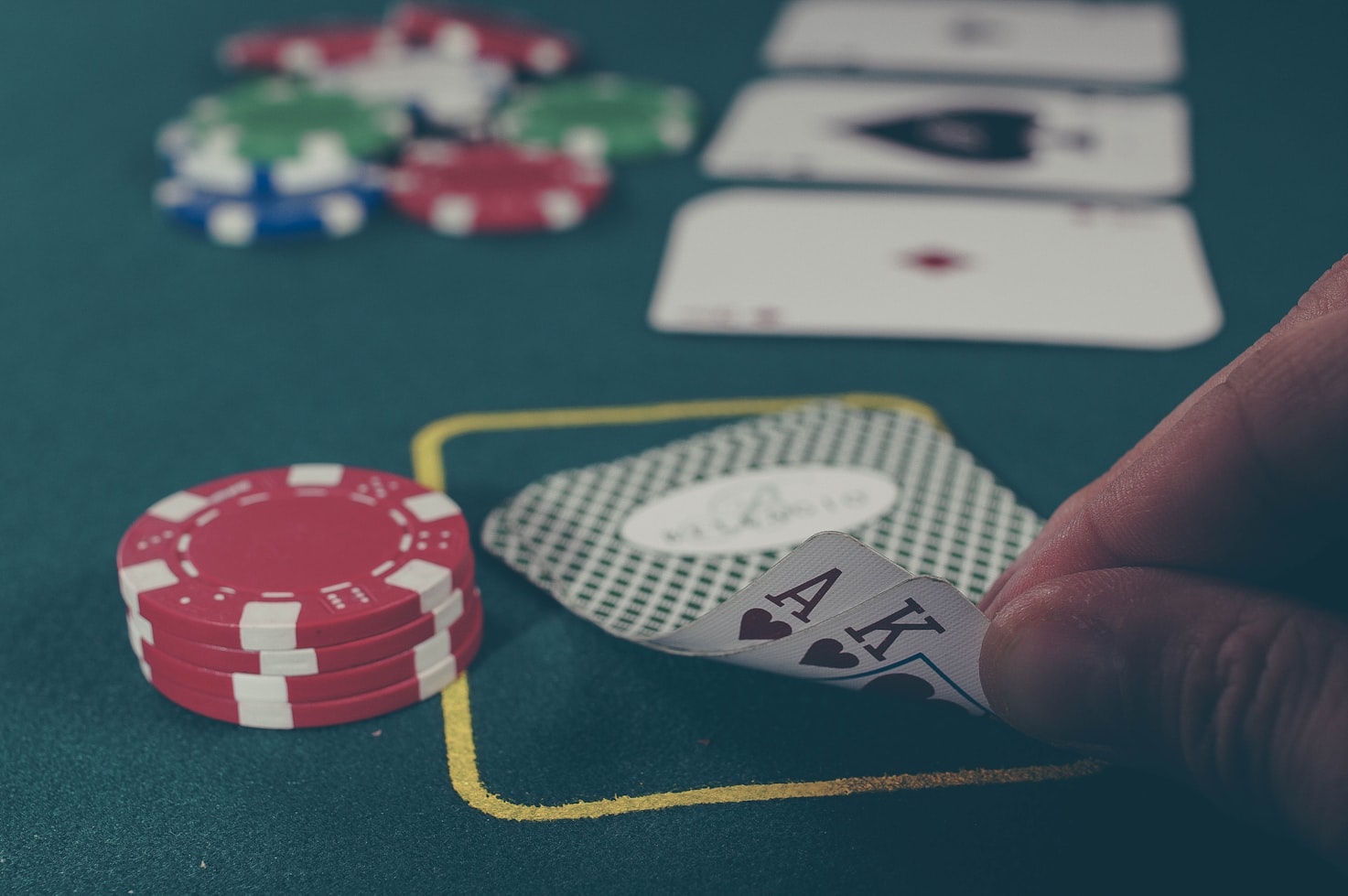
In essence, enhancing one’s skills and employing strategies can lead to a more enriched gambling experience. Gamblers who approach games with a mindset that embraces learning and improvement are more likely to identify opportunities for better decision-making. By understanding the relationship between skill and luck, players can develop a more nuanced perspective on gambling that prioritizes informed choices over mere chance.
Superstitions and Their Impact
Superstitions have long influenced the gambling world, creating a tapestry of beliefs that affect how players conduct themselves. Many gamblers carry tokens, prefer specific seating arrangements, or follow rituals before placing bets, convinced that these actions will enhance their luck. For example, some may only play during specific times or choose to avoid certain unlucky numbers. While these practices can add a layer of personal enjoyment to the gambling experience, they often distract from the realities of probability and risk.
The impact of superstitions can be profound. In casinos, the presence of slot machines that have undergone “hot” or “cold” streaks can lead to shifts in player behavior. Gamblers might gravitate towards machines they believe are experiencing a winning streak, even when data indicates that all machines operate independently. This behavior illustrates the psychological component of gambling, where belief in luck can override rational thought, leading to decisions not grounded in statistical analysis.
Although superstitions may be harmless and even fun, they can create a false sense of security and lead to poor gambling practices. When players rely too heavily on these beliefs, they risk losing sight of the fundamental principles of gambling. Recognizing the influence of superstition can empower gamblers to focus on more productive strategies while still enjoying the thrill that comes from their rituals and beliefs.
The Influence of Randomness
At its core, gambling is heavily influenced by randomness, a factor that can often be misconceived as luck. Randomness is inherent in how many games operate, such as card shuffling in blackjack or the spin of a roulette wheel. Players may view the outcomes of these games as a reflection of luck, but randomness is the actual underlying mechanism that dictates the results. Understanding this concept can help demystify the role of luck and encourage players to think critically about their gambling practices.

The concept of randomness can also be seen in the long-term framework of gambling outcomes. While a player might win big on a single occasion, the law of large numbers suggests that over time, results will align more closely with expected probabilities. This means that short-term wins might be more about variance than skill or luck. Recognizing the effect of randomness offers players clearer insights into their gambling habits, advising them that frequent losses are a natural part of the process and that maintaining emotional balance is crucial.
Embracing the randomness inherent in gambling can lead to more informed betting strategies. Instead of chasing losses or solely relying on luck, players can adopt a mindset that views fluctuations in outcomes as natural occurrences. This understanding not only helps temper expectations but also allows for a more enjoyable experience, free from the weight of misguided beliefs about luck. By focusing on the principles of randomness, gamblers can better navigate their gaming choices and ultimately enhance their overall enjoyment.
Understanding the Gambling Landscape
In the vast landscape of gambling, recognizing how different components interact enhances a player’s experience. Casinos and gaming platforms are designed with an understanding of human psychology, employing techniques that heighten emotions and encourage play. Understanding these factors is essential for gamblers aiming to maintain control over their decisions. By grasping how designs and promotions can manipulate perceptions of luck, players can approach gambling in a more informed manner.
Moreover, contemporary gambling has evolved with technology, offering diverse gaming options from traditional casino settings to online platforms. Each venue has its own unique dynamics, which can influence how luck is perceived. Online gambling, for instance, utilizes algorithms that dictate randomness, and players may feel an increased sense of detachment from the outcomes. This awareness can help gamblers adjust their strategies accordingly, focusing on informed participation rather than relying on a misguided sense of luck.
Ultimately, a comprehensive understanding of the gambling landscape allows players to make empowered choices. Awareness of how psychological influences and technology interplay with game mechanics can shift perceptions of luck into a more realistic perspective. By engaging in this understanding, gamblers can elevate their experiences, making informed decisions that enhance their chances of enjoying their time spent gambling.